
Comparison of gaseous extinguishing agents
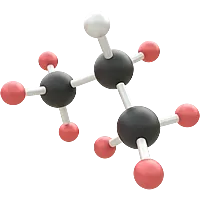
HFC-227ea
FM-200, HFC-227ea, heptafluoropropane, C₃HF₇
Suitable applications
Intermittently occupied rooms such as server rooms, archives and electrical switchrooms. Supports safe evacuation: the design concentration is below the hazardous threshold
- Extinguishing concentration
- 7,2 %
- Human exposure safety threshold
- 9,0 %
- Safety margin
- ≈ 1.25 times
- Module filling density
- up to 1.1 kg/L
- Dielectric strength relative to nitrogen
- ≈ 2,0
- Atmospheric lifetime
- 34–37 years
- Global warming potential, GWP
- 2 900–3 500
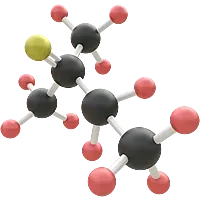
Fluoroketone FK-5-1-12
FK-5-1-12, Novec 1230, Sineco 1230, C₆F₁₂O
Suitable applications
Facilities with continuously present duty staff, such as dispatch and control rooms. Safe for health even if a person does not leave before system activation
- Extinguishing concentration
- 5,4 %
- Human exposure safety threshold
- 10 %
- Safety margin
- ≈ 1.85 times
- Module filling density
- up to 1.2 kg/L
- Dielectric strength relative to nitrogen
- ≈ 2,3
- Atmospheric lifetime
- 3–5 days
- Global warming potential, GWP
- less than 1
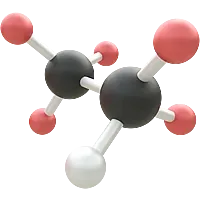
HFC-125
HFC-125, 125ХП, pentafluoroethane, C₂HF₅
Suitable applications
Unattended or technical spaces, such as cable facilities and transformer rooms. Used where people are guaranteed to evacuate before suppression begins
- Extinguishing concentration
- 9,8 %
- Human exposure safety threshold
- 7,5 %
- Safety margin
- no margin
- Module filling density
- up to 0.9 kg/L
- Dielectric strength relative to nitrogen
- ≈ 0,95
- Atmospheric lifetime
- 28–33 years
- Global warming potential, GWP
- 3 170–3 500
Price of halocarbons and fluoroketone per kilogram
We quote prices on request. HFC-227ea and FK-5-1-12 ship from our warehouse in Almaty, which holds over 20 tonnes of agent; HFC-125 is supplied to order. The price depends on:
- the agent: HFC-227ea, FK‑5‑1‑12 or HFC-125;
- the agent mass given by the room calculation;
- filling into FireStop modules or supply of the agent on its own;
- a reserve for restoring the system after a discharge.
Questions before ordering
Which agent should I choose: HFC or FK-5-1-12?
HFC-125, HFC-227ea and FK-5-1-12 differ in properties, required concentration and application conditions. Selection considers fire load, occupancy, equipment compatibility and budget. The final agent choice is recorded in the system design
How does HFC-227ea differ from HFC-125?
HFC-227ea, also known as FM-200, extinguishes at a 7.2% concentration. This is below the danger threshold for people, so it is used in server rooms, archives and electrical rooms. HFC-125 needs 9.8%, and it is used in technical rooms that people leave before the gas is released. A module holds up to 1.1 kg of HFC-227ea per litre and up to 0.9 kg of HFC-125. HFC-227ea is in stock; HFC-125 is supplied to order.
Is an agent reserve required?
An agent reserve is used to restore the system after discharge. It is calculated separately from the amount required for suppression; it does not mean overfilling the operating modules. An engineer determines whether your facility needs a reserve and its size under the applicable standards and design
What is the difference between FK-5-1-12 and Novec 1230?
FK-5-1-12 identifies the extinguishing agent; Novec 1230 is a brand of a product based on it. They are not two different agent types. Supply selection includes checking the specific product properties, quality documents and suitability for the chosen modules
Is halocarbon dangerous for people?
It depends on the agent. HFC-227ea extinguishes at 7.2% with a safety threshold of 9.0%. FK-5-1-12 has a wider margin: 5.4% against 10%. HFC-125 extinguishes at 9.8% while its threshold is 7.5%, so people must leave the room before release. With any agent the system first triggers the warning and allows time for evacuation.
Halocarbon: gas or liquid?
Inside the module the halocarbon is stored as a liquid under nitrogen or dry-air pressure. On release it leaves through the nozzles, evaporates and fills the room as a gas.
Can the gas in an installed system be replaced?
Replacement must be agreed with the designer and checked against the equipment manufacturer's documentation. A different agent may require a revised fill weight, recalculated piping and changes to system components
Can I order agent to refill modules?
Yes, send a request with the agent name and module details. Based on the passport and the condition of the equipment we will confirm whether refilling is possible, the required mass and the scope of work. We refill FireStop modules at our plant in Almaty; see the page on inspection and refilling.