Supply
For installation companies and integrators
We optimise your existing specification at factory prices, agree a shipment schedule and set payment instalment terms
Discuss supply terms
Gaseous fire suppression modules
from a manufacturer in Kazakhstan
 NATIONAL FIRE SAFETY BRAND
Protect facilities where water, foam and powder cannot be used, extinguishing fires in seconds without damaging electrical equipment or valuable assets
Trusted by state corporations
and major businesses









We handle individual tasks or the entire project from start to finish
Supply
We optimise your existing specification at factory prices, agree a shipment schedule and set payment instalment terms
Discuss supply termsDesign
We provide BIM/DWG files and technical documentation, or develop the automatic gaseous fire suppression section free of charge and help you obtain state expert approval
Get design materialsFacility
We select a system within your budget and handle everything from manufacture and supply to commissioning
Find a solutionOperation
Our engineer visits your facility to service, inspect or refill the modules
Request servicing and maintenanceCertified equipment compliant with allapplicable Kazakhstan codes, regulations and nationalsafety standards
Suspended configuration
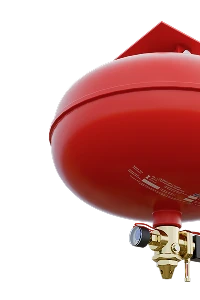 Learn more
Suspended configuration
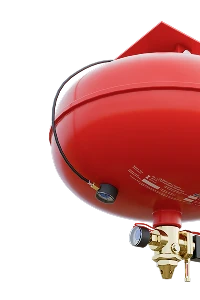 Learn more
Floor-mounted configuration
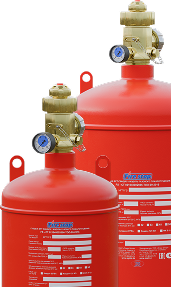 Learn more
Over 20 tonnes in stock in AlmatyIn stock in Almaty
 Learn more
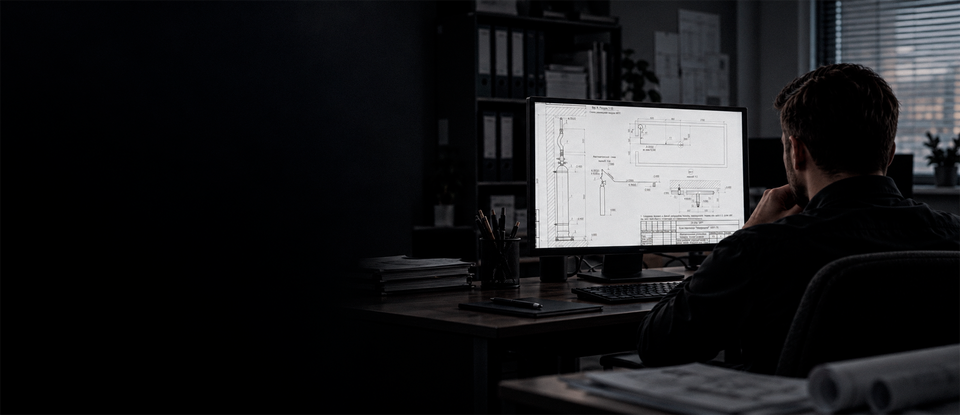
We develop the automatic gaseous fire suppression section, perform calculations
and help you obtain expert approval
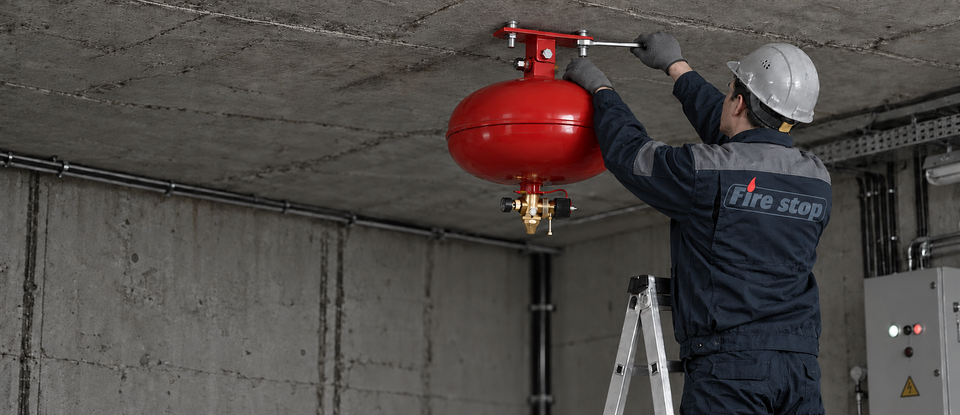
We install the modules, connect the controls and commission the system
03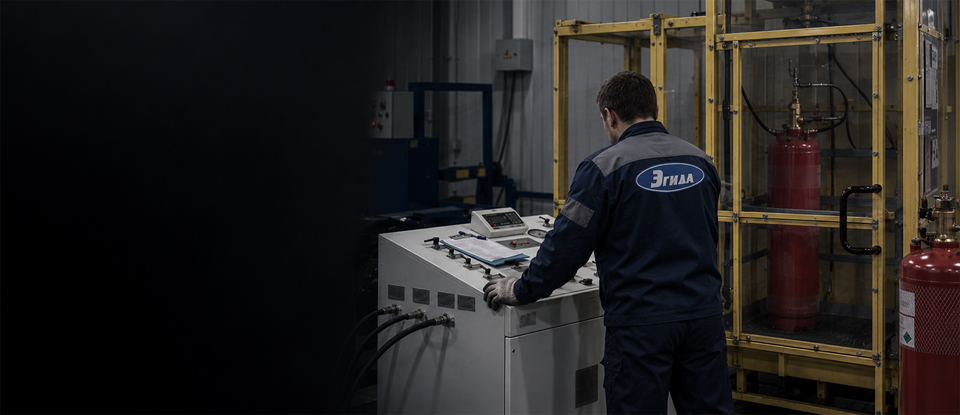
We check the modules, carry out tests
and refill them with extinguishing agent
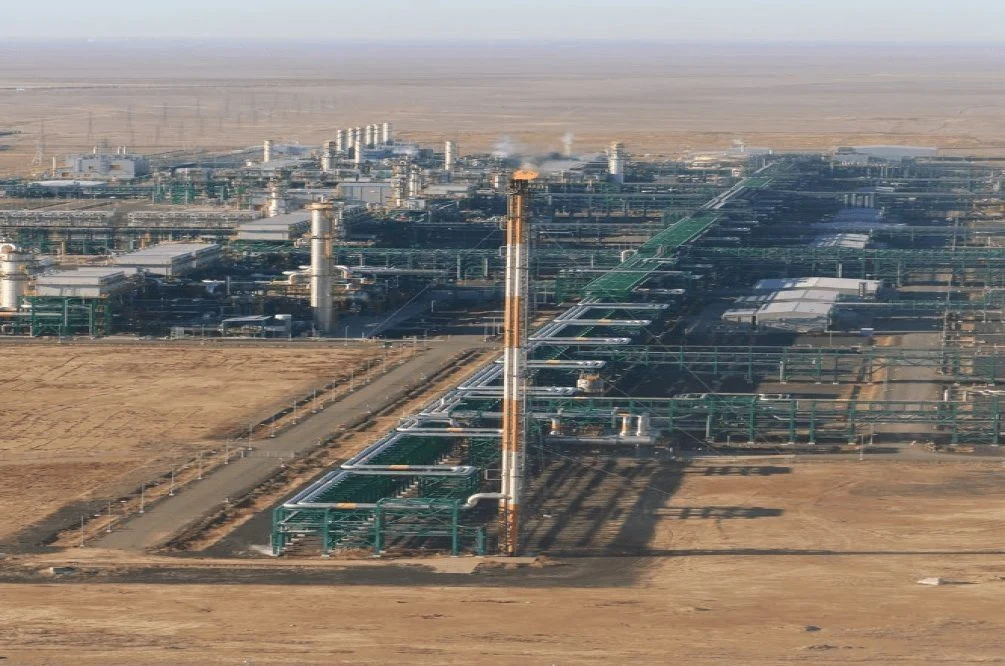 Atyrau Region
Oil and gas, energy and mining
The project covers room No. 147 of the Kashagan field gas treatment plant, with a capacity of 1 billion Nm³ per year.
Project equipment
МГП 65-150-40 — 14 units
Extinguishing agent mass — 1,680 kg.
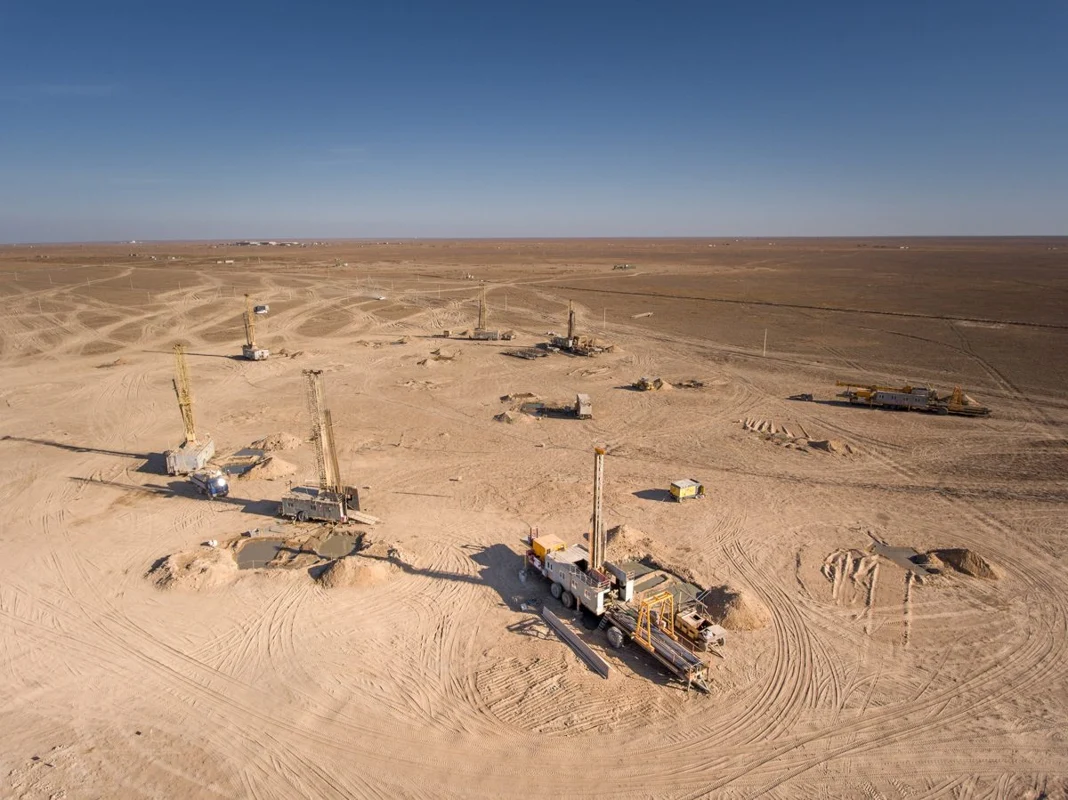 Inkai
Oil and gas, energy and mining
Inkai is a uranium mining facility.
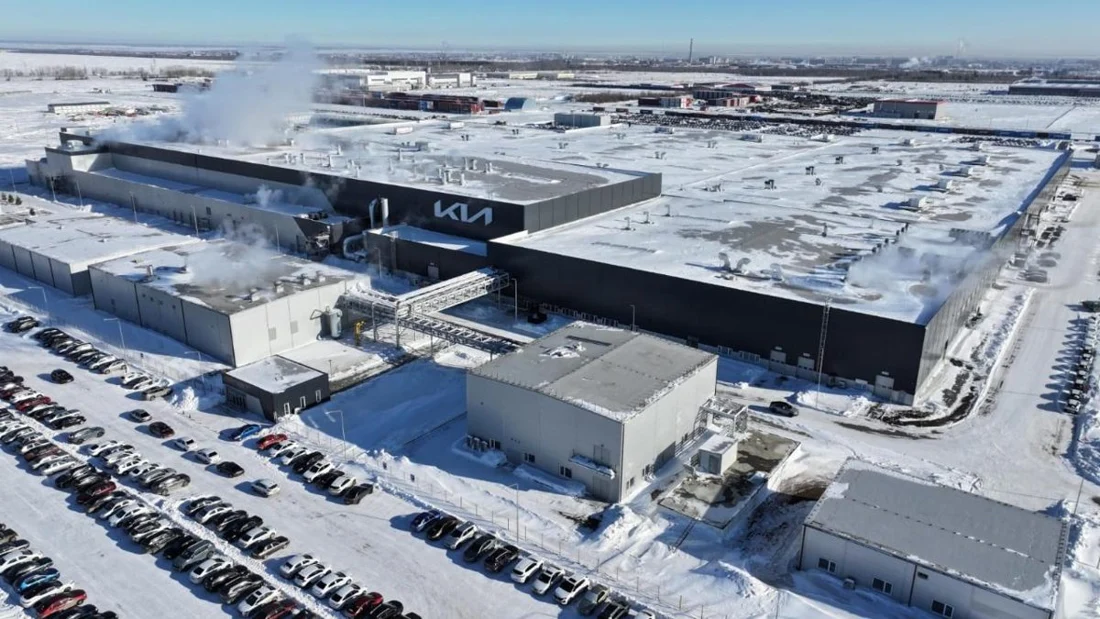 Kostanay
Industry and manufacturing
The project covers the construction of the KIA Qazaqstan plant in Kostanay, designed for a complete knock-down vehicle assembly cycle.
Project equipment
МГП 42-120-40 — 44 units
МГП 42-150-50 — 12 units
Extinguishing agent mass — 3,000 kg.
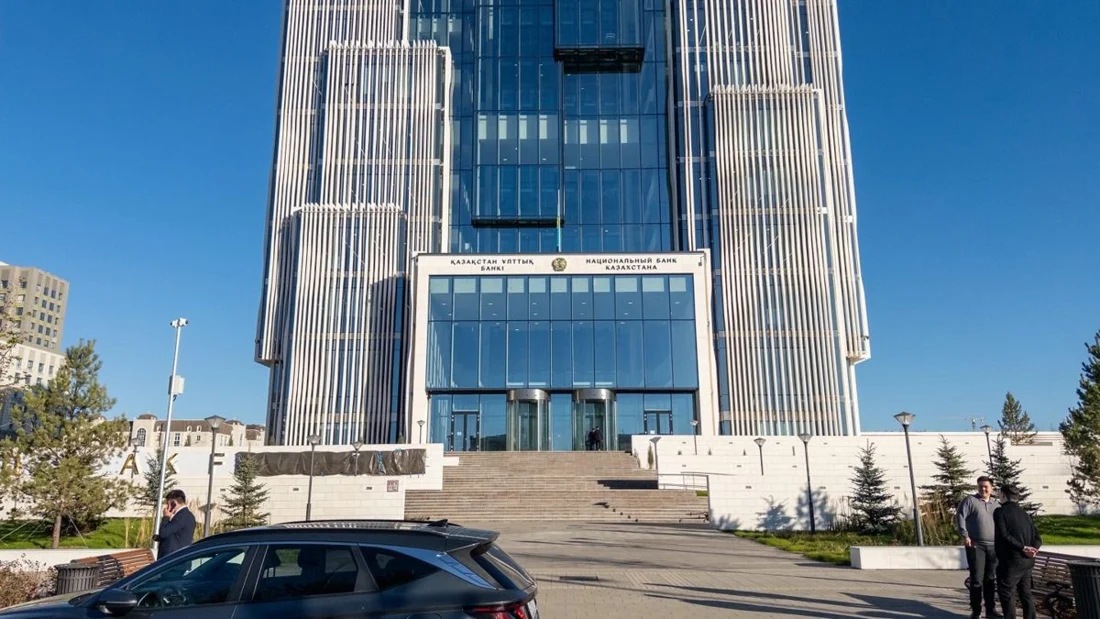 Astana
Banks and financial institutions
The project covers the National Bank of the Republic of Kazakhstan building in Astana.
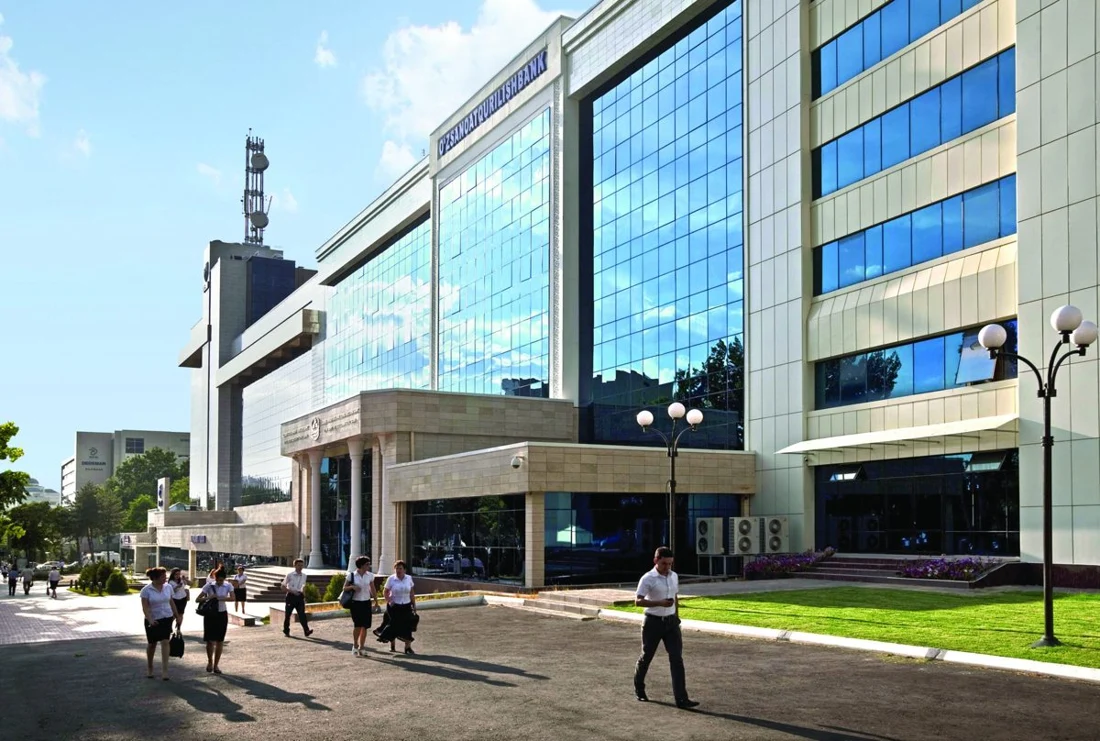 Tashkent, Uzbekistan
Banks and financial institutions
The facility is the Uzpromstroybank head office in Tashkent, Uzbekistan.
 Astana
Industry and manufacturing
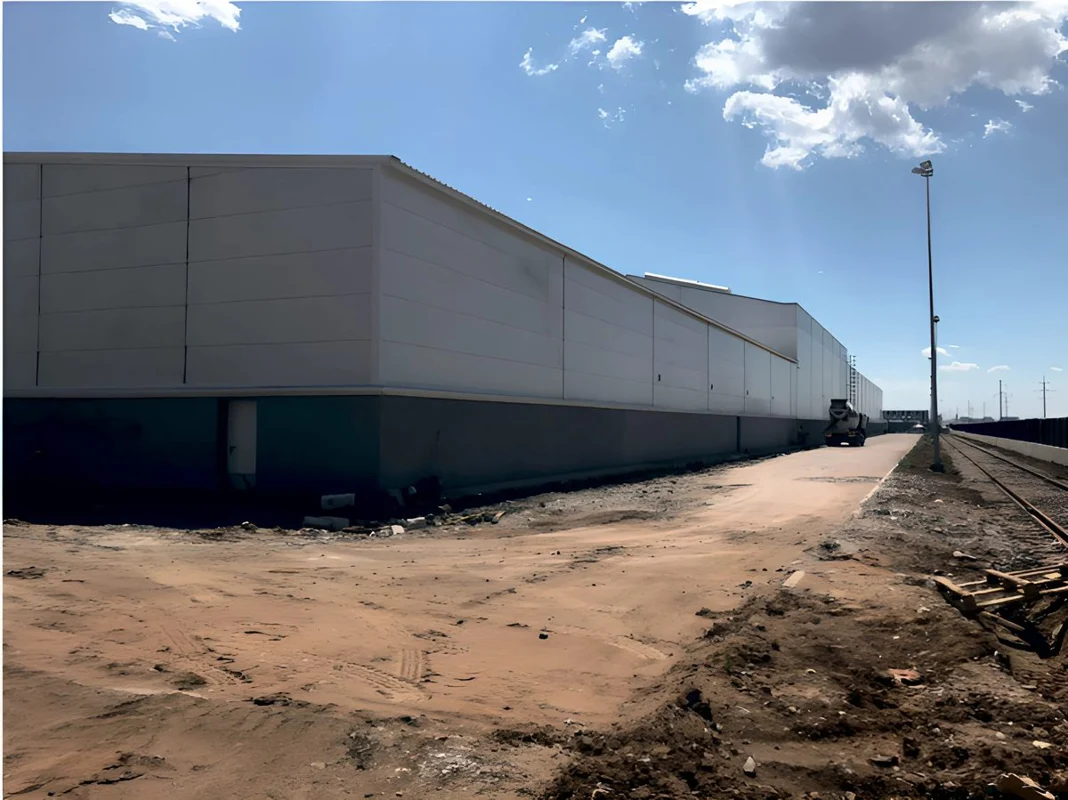
The project covers the production site of the Coca-Cola Almaty Bottlers branch in Astana.
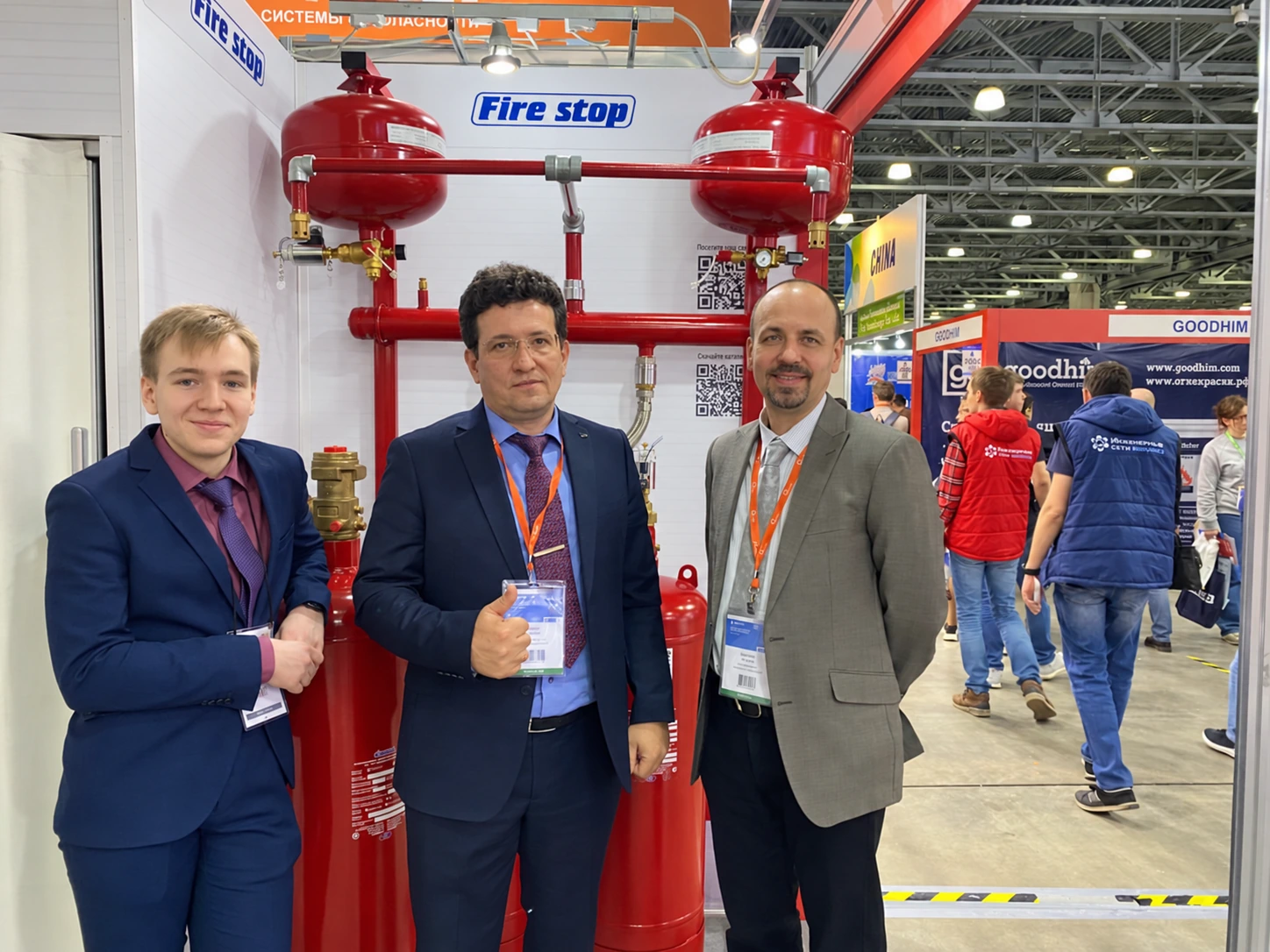
FireStop brings together gaseous fire suppression module manufacturing and an engineering team in Almaty. We work with designers, installation companies and facility owners to select equipment, prepare designs and organise supply. Depending on the task, we support a specific stage or manage the system from initial requirements through installation and commissioning.
years in gaseous fire suppression
gaseous fire suppression modules manufactured
facilities protected
countries served
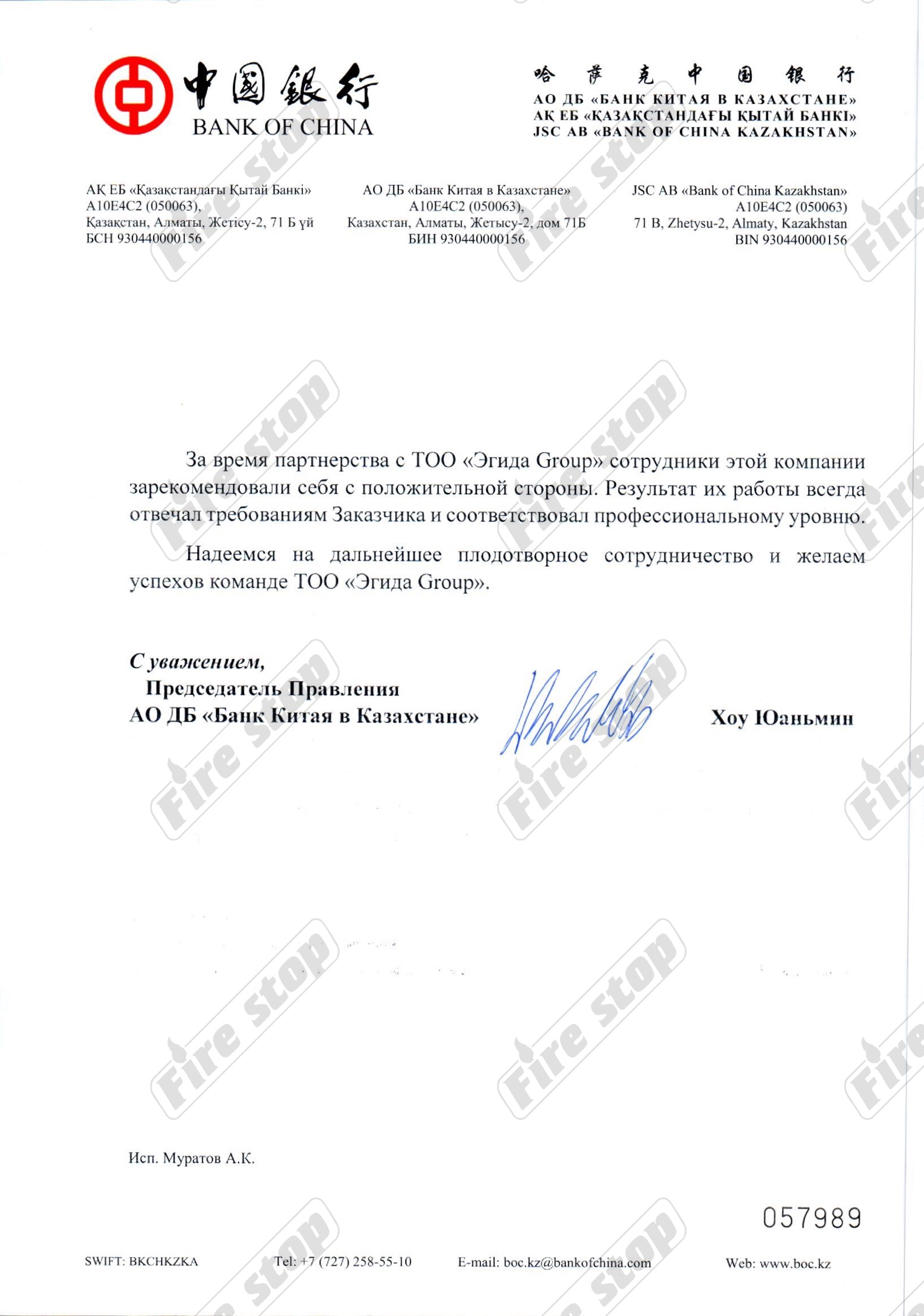
Chairman of the Management Board Hou Yuanmin
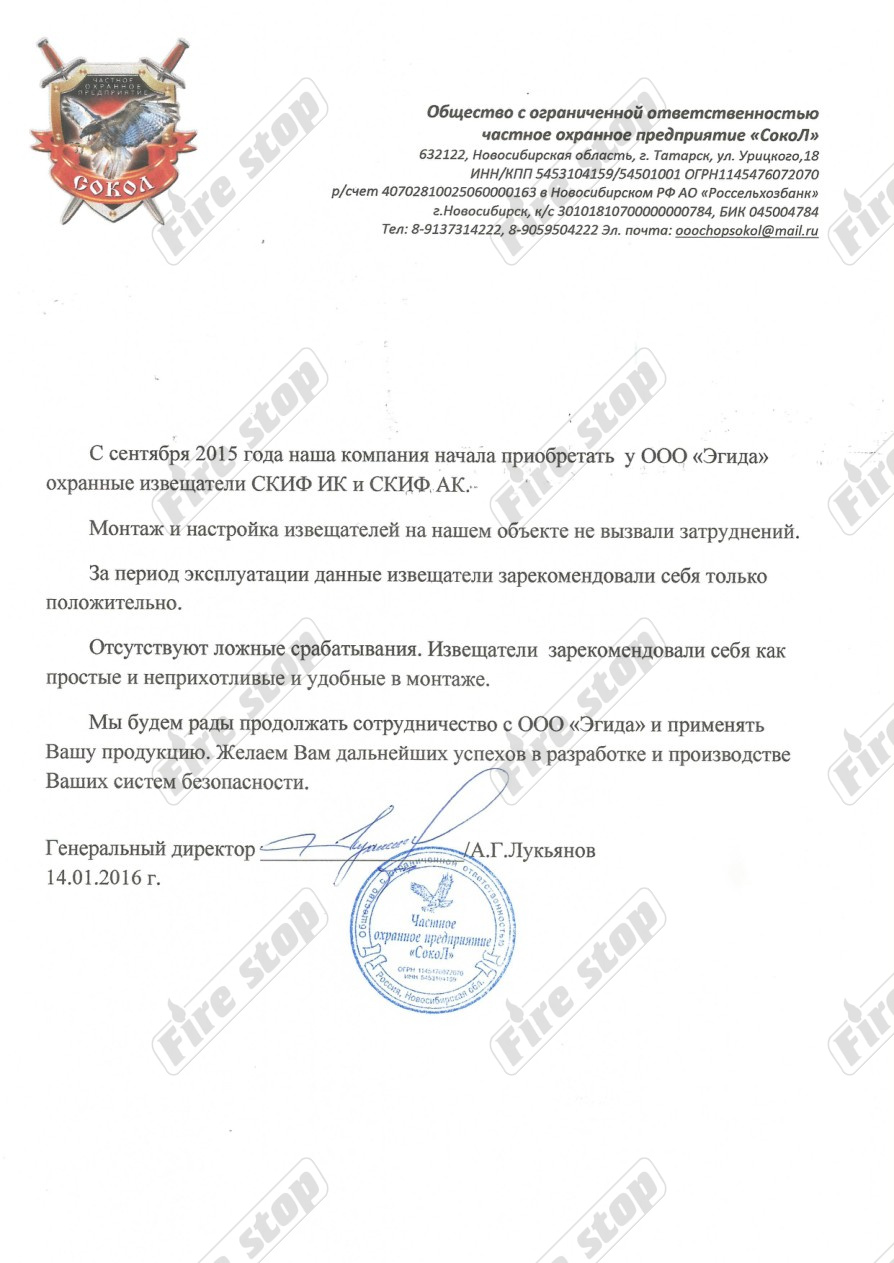
General Director A. G. Lukyanov
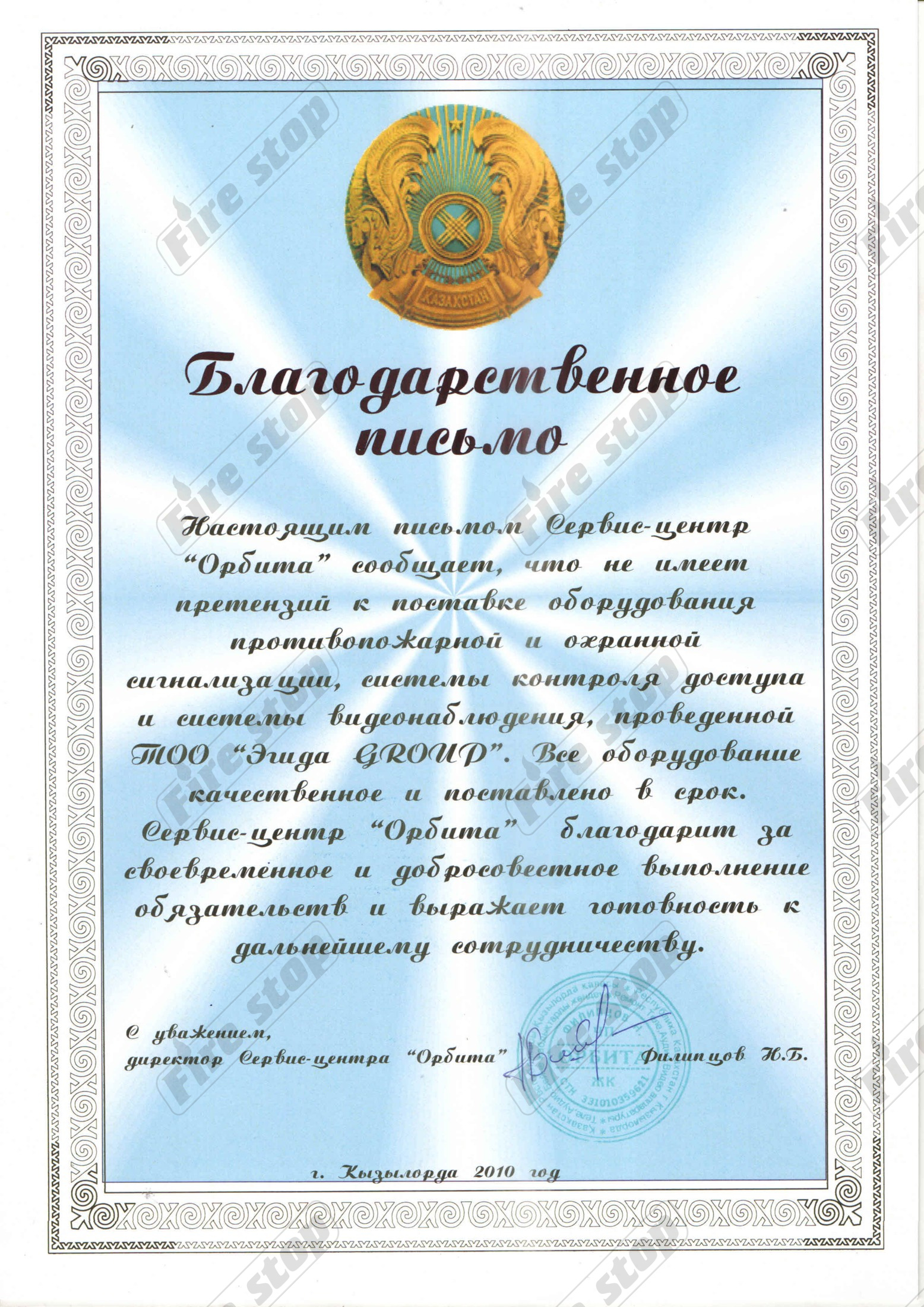
Director Yu. B. Filippov
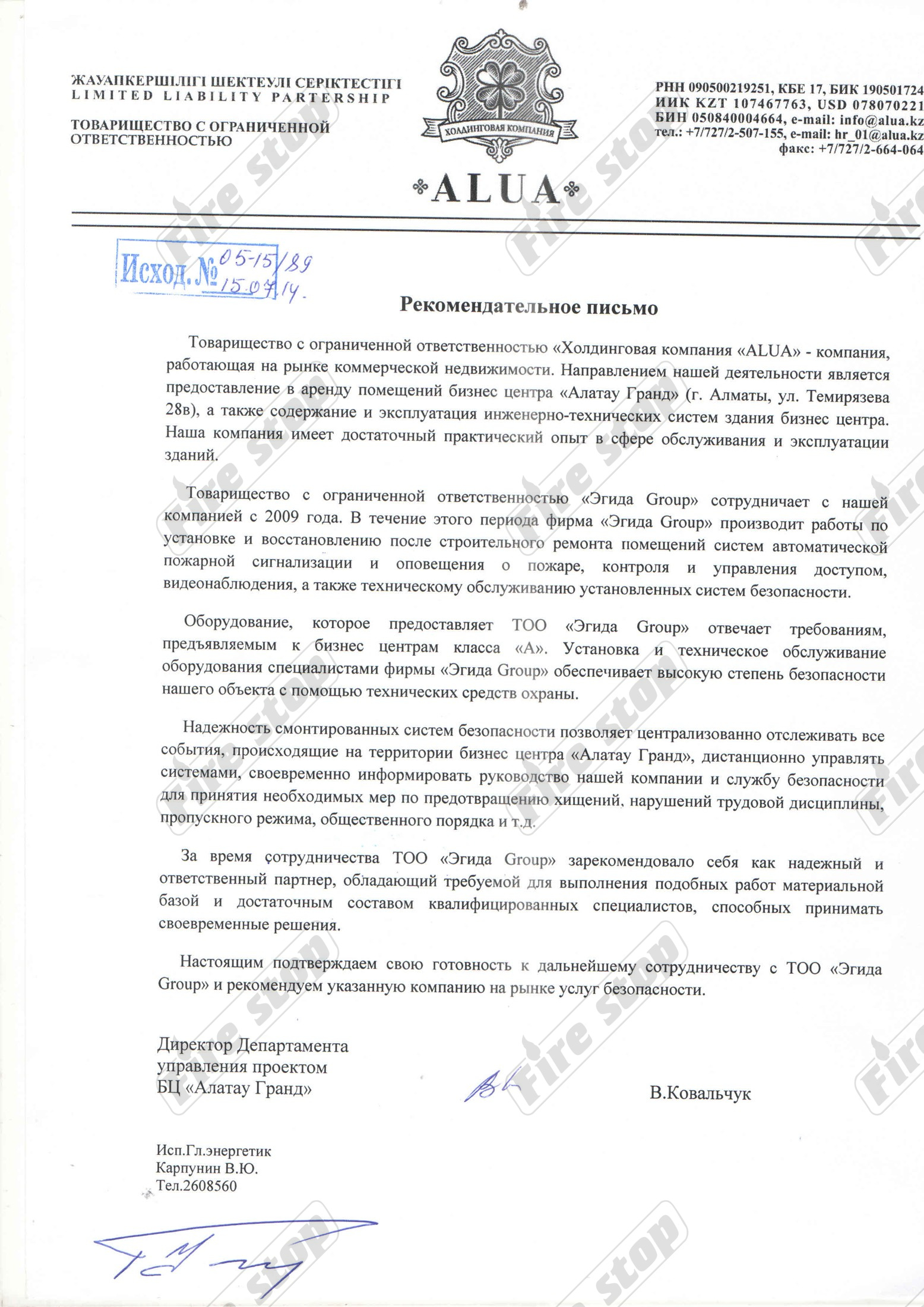
V. Kovalchuk, Director of the Alatau Grand Business Centre Project Management Department

Director Yu. B. Filippov
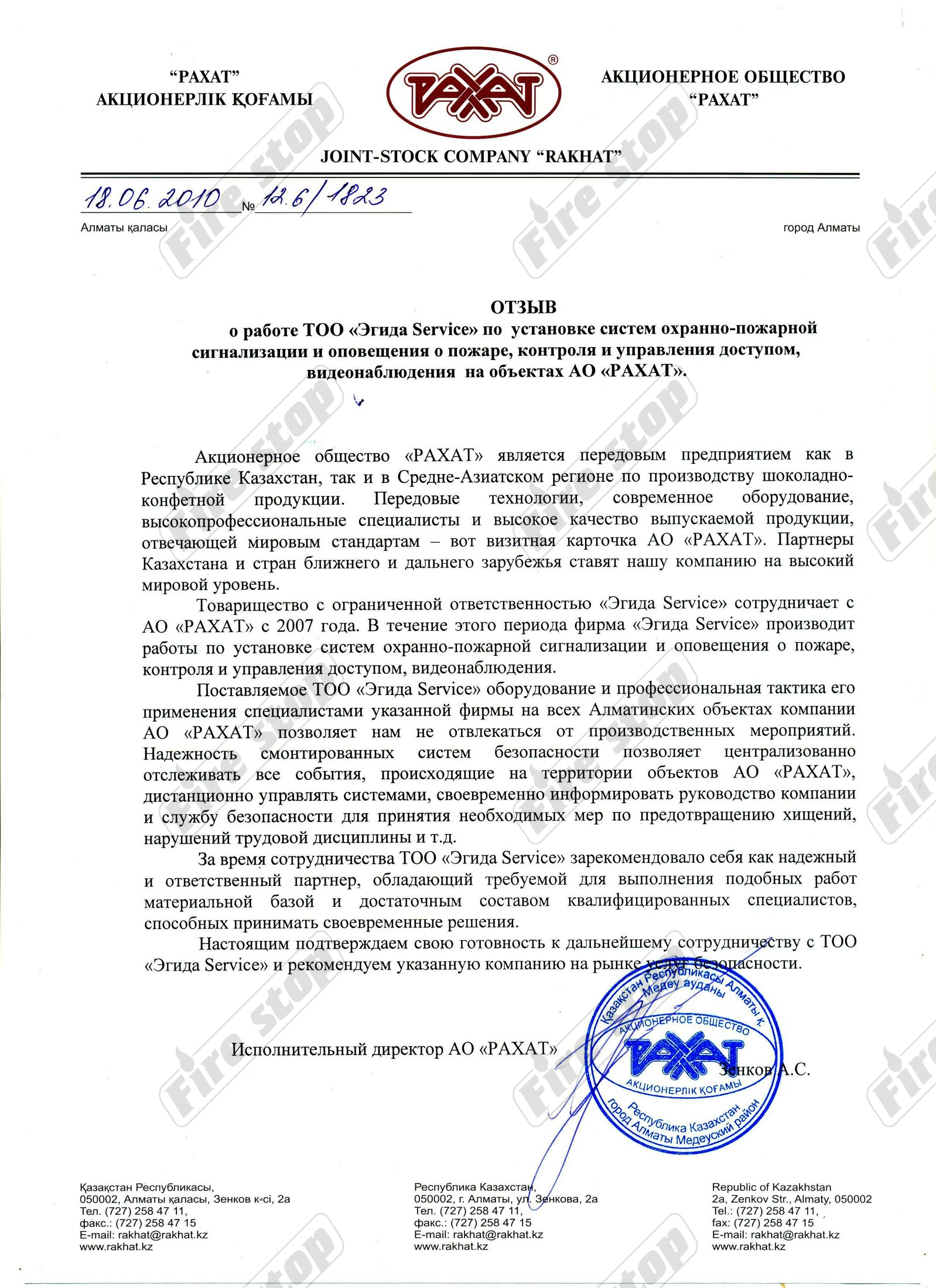
Executive Director A. S. Zenkov
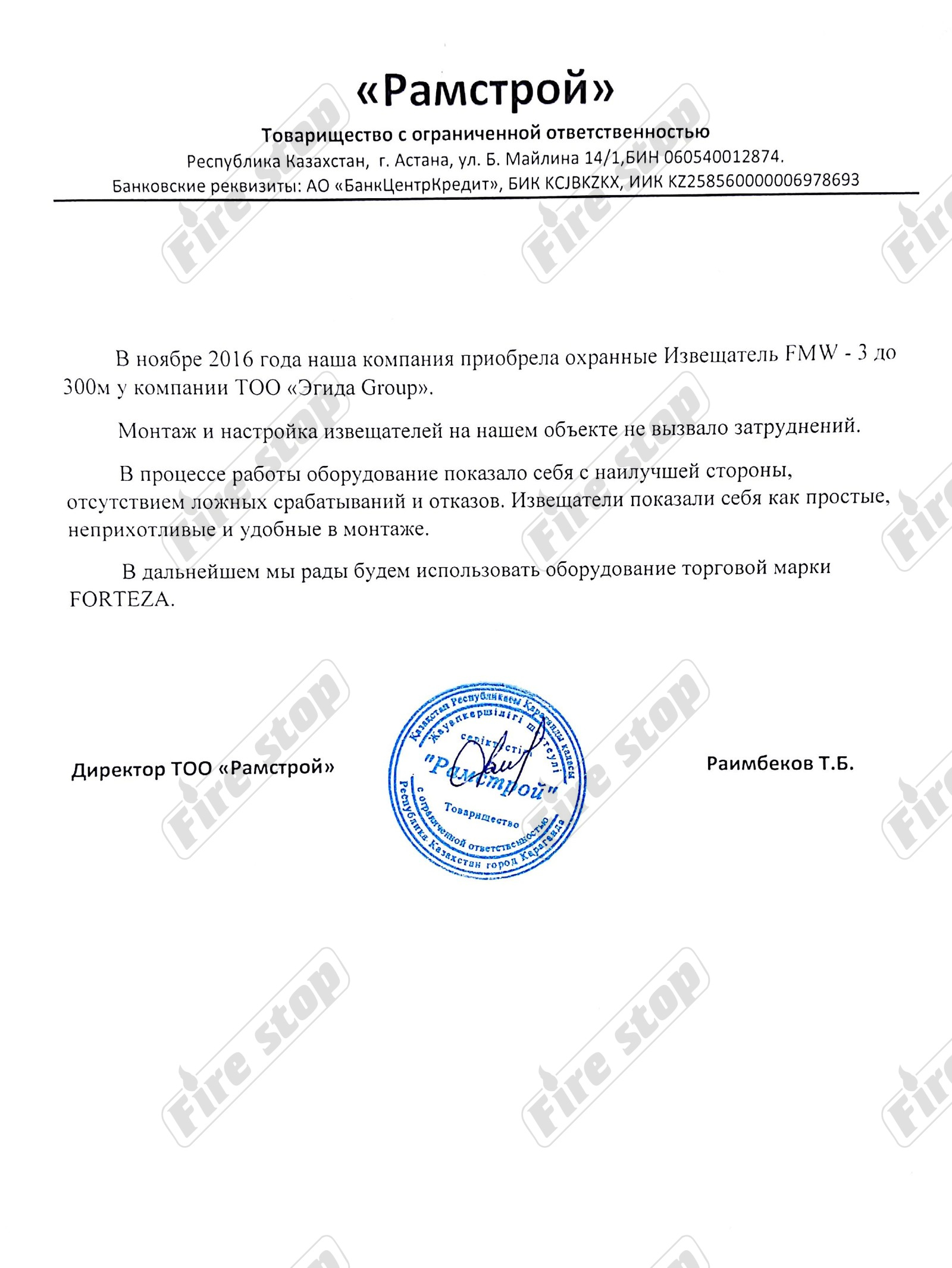
Director T. B. Raimbekov
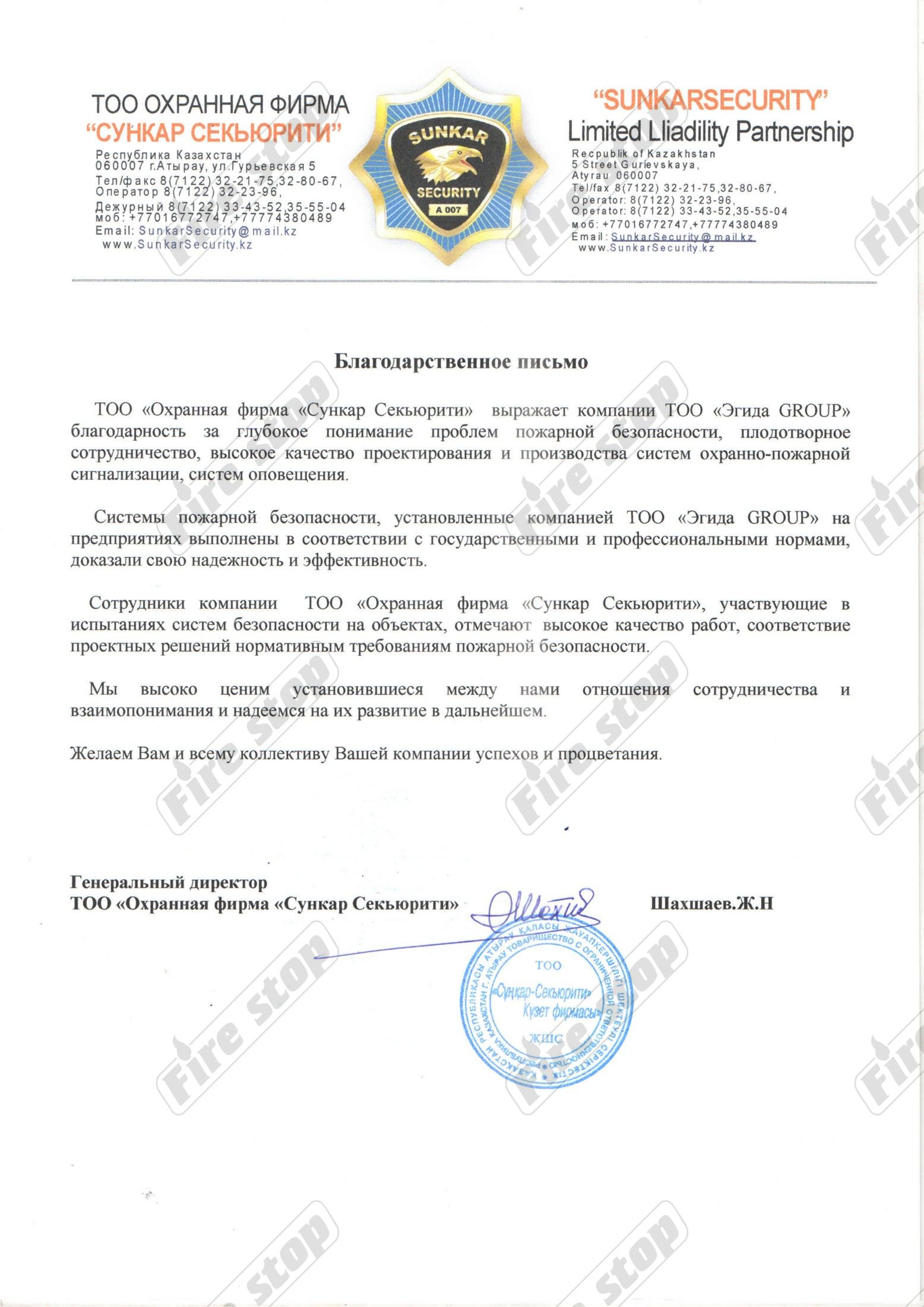
General Director Zh. N. Shakhnaev
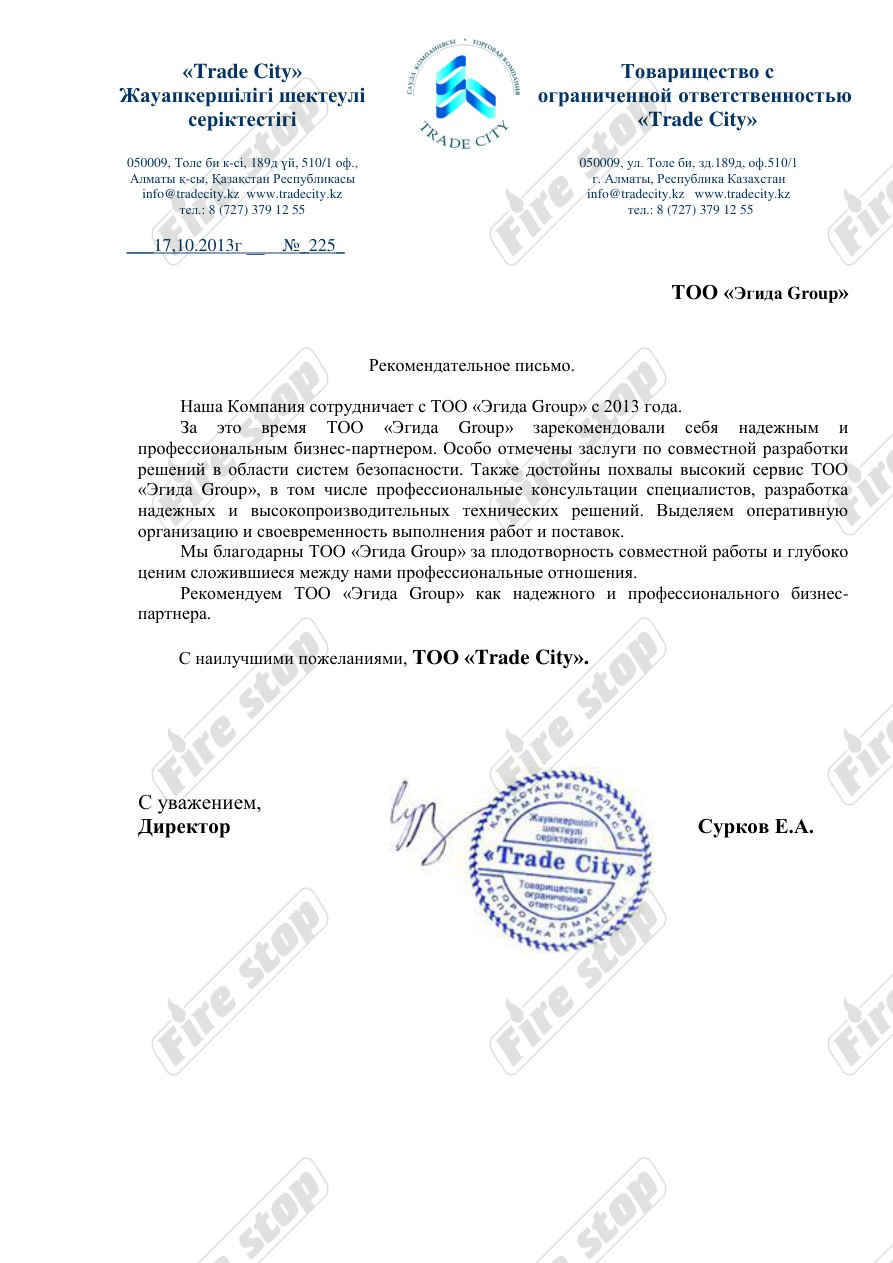
Director E. A. Surkov
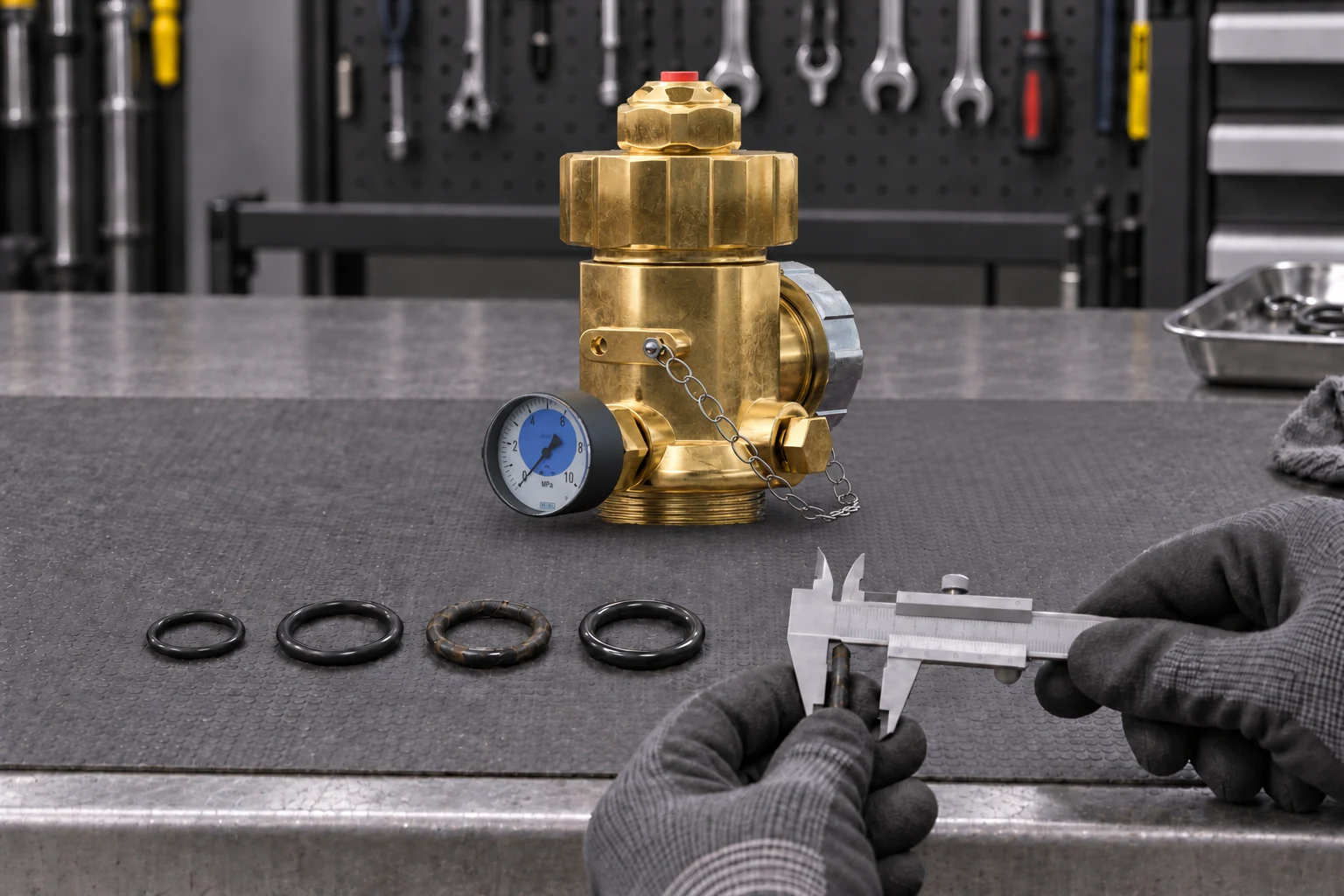
Why the interval specified in the datasheet must be assessed against seal life and operating conditions.
What to check in the room: airtightness, pressure relief, ventilation and warning signs.
Which documents govern system design, calculations and equipment.
We explain the abbreviations used in designs, datasheets and specifications.
We compare fluoroketone, HFC-227ea and HFC-125 in terms of refilling, applications and maintenance.
Gaseous fire suppression puts out a fire with gas that fills an enclosed room within seconds and stops combustion. Water, foam and powder never reach equipment or documents, which is why gas protects server rooms, archives, electrical rooms and bank vaults. The system activates on its own on a signal from fire detectors and needs no one on site.
An automatic gaseous fire suppression system is either modular or centralised. In a modular system the cylinders stand in or next to the protected room, and each room has its own agent supply. A centralised station stores the agent in a separate room and delivers it through pipes to several protected zones.
By extinguishing method, systems are divided into total flooding and local application. Total flooding fills the whole room with gas; local application protects a single cabinet or area. Every system includes fire detectors, a control panel, modules with discharge valves, nozzles and warning signs.
| Gas | How it extinguishes | Extinguishing concentration |
|---|---|---|
| HFC-227ea | Inhibits the chemical combustion reaction. Suitable for server rooms, electrical rooms and archives | 7.2% by volume |
| HFC-125 | Inhibits the combustion reaction. Mostly used in technical rooms | 9.8% by volume |
| FK-5-1-12 | Removes heat from the combustion zone. Chosen for rooms with valuable equipment | 5.4% by volume |
Standard extinguishing concentration for n-heptane. Halocarbons: SP RK 2.02-102-2022, Appendix D. FK-5-1-12 is not covered by the Kazakhstan code; the value follows Russian SP 485.1311500.2020 as amended by Amendment No. 2 (EMERCOM of Russia order No. 373 of 26.05.2026). The gas mass is calculated separately for each room.
Which gas to choose for your facilityData centres and server rooms
Power stations and energy facilities
Bank vaults
Art galleries, museums and libraries
Electrical switchgear rooms and diesel generator sets
Modular containers
Document archives
When is it
unsuitable?
Gas is not used on materials that smoulder inside their volume (sawdust, cotton, fibres), metal powders, hydrides or substances that burn without air. This is an explicit ban under clause 9.1.22 of SN RK 2.02-02-2023.
In return, the room must hold the gas: no unnecessary openings, a door closer and ventilation that can be shut off. People leave before the gas is released, and a reserve stock is kept on site to restore the system.
Requirements for rooms protected by gaseous fire suppression| Mistake | Consequence | How to avoid it |
|---|---|---|
| HFC-125 in a room where people are present | Its extinguishing concentration of 9.8% is above the 7.5% safety threshold | Choose HFC-227ea or FK-5-1-12 |
| No pressure relief opening | When gas is released, the pressure hits walls, doors and glazing | Calculate the opening in the design and install a pressure relief valve |
| Ventilation does not shut down in a fire | Gas escapes and the concentration is not held | Provide ventilation shutdown and dampers on the ducts |
| Holes for cables and pipes are not sealed and the door has no closer | Gas escapes faster than the calculation assumes | Seal the holes before installation and fit a door closer and seal |
| Installation does not match the design | Refusal of the fire service conclusion at acceptance | Agree any equipment substitution with the designer before acceptance |
| Cylinder inspection deadline missed | The module cannot be refilled and returned to service without inspection | Track the deadline in the passport: the first inspection of FireStop modules is due after 10 years |
System requirements are set by Section 9 of SN RK 2.02-02-2023 “Fire automation of buildings and structures”. Methods for calculating the gas mass and the pressure relief opening are given in SP RK 2.02-102-2022, and modules must be certified under TR EAEU 043/2017. Russian SP 485 and GOST R standards are not mandatory in Kazakhstan.
Gaseous fire suppression standards in KazakhstanGas is released only after people have left the room. Under Kazakhstan standards the system first triggers the warning and holds a delay for evacuation, and automatic release is blocked while the door is open. The main danger in a fire comes from smoke and combustion products, so people return to the room after ventilation.
The cost depends on the room volume, the chosen gas, the number of modules and the pipework length. The exact price is calculated from the room plan: a FireStop engineer selects the modules and prepares a quotation. We design the system free of charge.
Yes, a system cannot be accepted without a project. Under clause 9.1.9 of SN RK 2.02-02-2023 the project calculates the gas mass, pipe diameters, nozzle type and number, discharge time and pressure relief opening area. The calculation needs the room plan and details of the raised floor and ceiling, ventilation and occupants.
FireStop modules last at least 30 years. The first cylinder inspection is due after 10 years; between inspections the system is maintained to schedule and the modules are weighed every three years. Inspection and refilling are done by the manufacturer’s own plant in Almaty.
Gas leaves no residue: after ventilation, equipment and documents stay clean. Powder settles on equipment and inside electronics and has to be cleaned out after extinguishing. That is why gas is chosen where the equipment itself or the contents of the room are expensive.